Creative Concepts / Journal
Comprehensive Guide to Dental Implants Cost: What You Need to Know
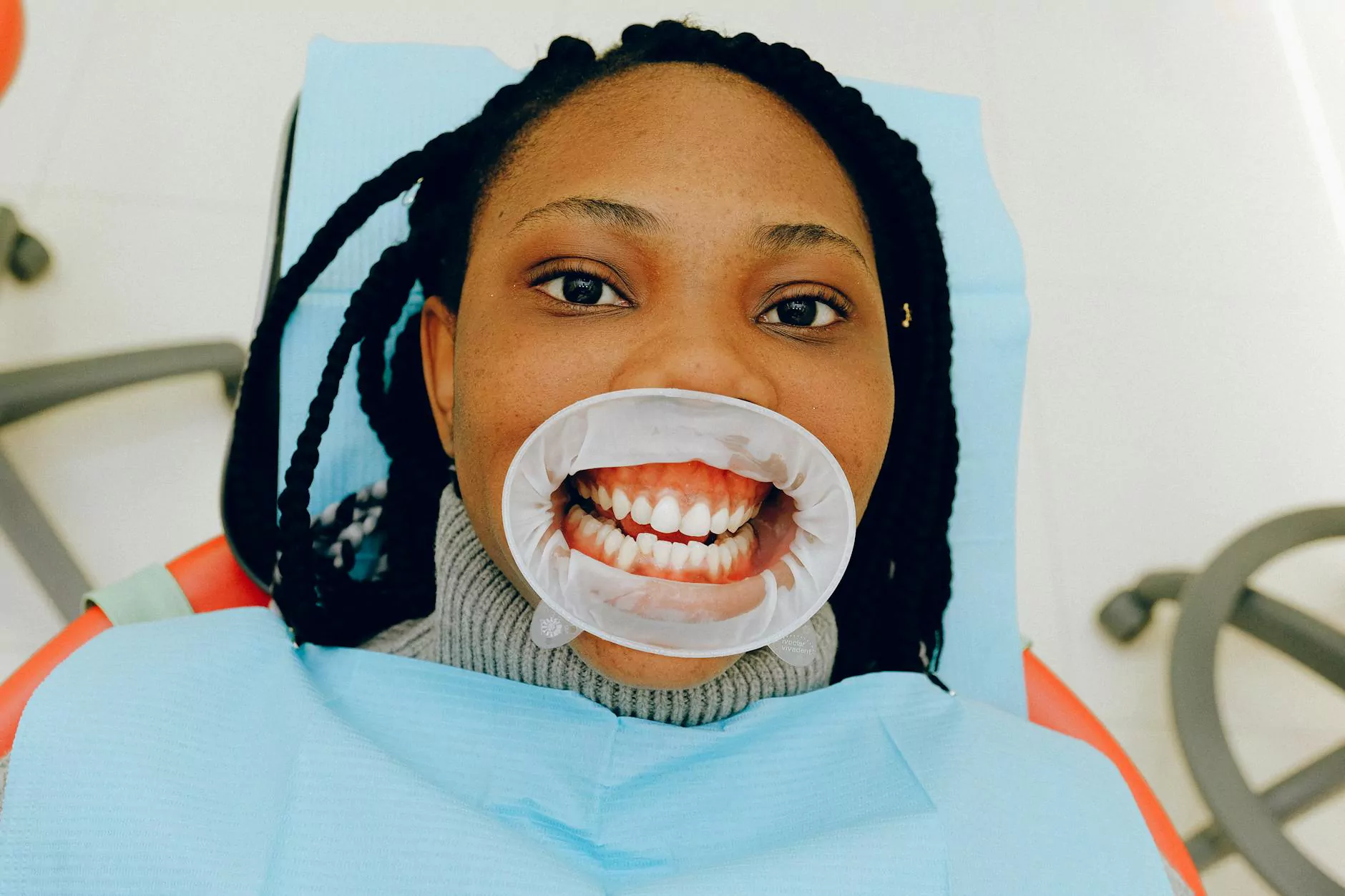
In the realm of modern dentistry, dental implants have revolutionized the way we restore missing teeth, offering a durable, natural-looking, and long-lasting solution. However, one of the most common concerns among patients considering this treatment is understanding dental implants cost. This comprehensive guide is designed to provide you with detailed information about the factors influencing the price of dental implants, the associated expenses, available financial options, and how to choose a reputable provider for your dental health needs.
Understanding Dental Implants: A Modern Solution for Tooth Restoration
Dental implants are synthetic structures that act as roots for missing teeth. They are typically made of biocompatible materials such as titanium or zirconia, which integrate seamlessly with the jawbone through a process called osseointegration. Once the implant is securely anchored, a prosthetic tooth, crown, or bridge can be attached, restoring full functionality and aesthetics.
Unlike traditional dentures or bridges, dental implants provide a permanent solution that prevents bone deterioration, maintains facial structure, and improves confidence. Their popularity continues to grow, but with this rise comes questions about affordability and the overall cost of dental implants.
The Real Factors that Affect Dental Implants Cost
The price of dental implants varies significantly based on multiple interrelated factors. Understanding these factors can help you estimate your potential expenses and make informed decisions about your oral health investments.
1. Type of Dental Implant Procedure
Different implant procedures have different costs. Single-tooth implants tend to be less expensive than full-mouth restorations or complex cases involving bone grafting or sinus lifts. Additionally, the choice between endosteal implants (placed directly into the jawbone) and subperiosteal implants (placed under the gum but above the jawbone) can influence pricing.
2. Location and Geographic Factors
The cost of dental implants varies greatly by geographic location. Urban areas or regions with a higher cost of living typically have higher procedure costs due to increased overhead and operational expenses. For example, dental implant procedures in major metropolitan cities might cost more compared to smaller towns or rural areas.
3. Material Quality and Type
Premium implant materials, such as zirconia or titanium from reputable brands, may command higher prices but often promise better durability, biocompatibility, and longevity. Cheaper alternatives might compromise quality and lead to higher long-term costs if replacements or repairs are needed.
4. Additional Procedures and Preparations
Some patients require supplementary procedures like bone grafting, periodontal therapy, or sinus augmentation prior to implant placement. These additional steps increase the overall cost but are crucial for ensuring implant stability and success.
5. Number of Implants Needed
The total investment is naturally higher when multiple implants are necessary. Full-mouth reconstructions or cases involving multiple missing teeth require more materials and surgical sessions, impacting the total dental implants cost.
6. Experience and Reputation of the Dental Provider
Highly experienced oral surgeons and implant specialists often charge premium prices due to their expertise, advanced techniques, and higher success rates. While affordability is important, selecting a qualified professional is essential for long-term success.
Breaking Down the Cost of Dental Implants
For a typical single-tooth dental implant, the expenses can be broken down into:
- Initial consultation and examination: $100 - $300
- Imaging (X-rays, CT scans): $150 - $500
- Implant fixture (post): $1,000 - $3,000
- Abutment (connector piece): $300 - $1,000
- Dental crown: $1,000 - $2,500
- Additional procedures (bone grafting, sinus lift): $500 - $4,000
In total, the average dental implants cost for a single tooth can range from $3,000 to $6,000. Multiple implants or full-arch restorations can significantly increase this amount, often reaching ten or more thousands of dollars.
Are Dental Implants Covered by Insurance?
Many patients wonder whether dental insurance covers the cost of implants. Typically, dental insurance plans categorize implants as elective or cosmetic procedures and may not cover the entire expense. However, some plans provide partial coverage, especially if the implant is deemed medically necessary, such as when it is essential for restoring function after an injury or disease.
It’s advisable to review your insurance policy carefully, consult with your provider, and inquire about specific benefits related to dental implants. Additionally, some clinics offer in-house payment plans or financing options to make treatment more accessible.
Strategies to Make Dental Implants More Affordable
If you are concerned about the dental implants cost, consider these strategies:
- Compare quotes from multiple providers: Don't settle for the first estimate. Request detailed breakdowns to ensure transparency.
- Explore dental discount plans or memberships: Many dental clinics offer plans that reduce costs for procedures.
- Opt for phased treatment: Spreading the cost over multiple payment periods can make the expense more manageable.
- Seek financing options: Consider third-party lenders or healthcare credit cards that offer low-interest or zero-interest plans.
- Prioritize quality over price: Investing in reputable, experienced professionals may cost more upfront but can prevent future complications and additional expenses.
Choosing the Right Dental Center for Your Implants
When considering medical centers or clinics for dental implants, prioritize:
- Experience and credentials: Look for board-certified specialists with a proven track record.
- Patient reviews and testimonials: Explore feedback from previous patients to gauge satisfaction and outcomes.
- Advanced technology: Facilities with 3D imaging, digital planning, and modern surgical tools tend to produce better results.
- Comprehensive care: Clinics offering complete services, including consultations, imaging, surgery, and aftercare, provide more seamless treatment.
- Transparent pricing: Clear estimates and no hidden fees contribute to a stress-free experience.
The Long-Term Value of Dental Implants
Although the initial dental implants cost can be substantial, their value extends beyond aesthetics. Dental implants promote oral health by preventing bone loss, maintaining jawbone density, and supporting adjacent teeth. They also eliminate the discomfort and inconvenience often associated with removable dentures, enhancing quality of life.
Properly cared for, dental implants can last a lifetime, making them one of the most cost-effective solutions for tooth replacement in the long run.
Final Thoughts on Dental Implants Cost
Understanding the various factors influencing dental implants cost is crucial for planning your treatment financially. While the price may seem significant initially, the immense benefits, durability, and improved quality of life they offer make them a worthwhile investment. Prioritize choosing qualified, experienced providers and explore financial options to make this advanced dental solution accessible to you.
For personalized consultations and detailed cost assessments, visit wupdoc.com, where you can find trusted doctors, medical centers, and health & medical professionals dedicated to your oral health and overall wellbeing.