Creative Concepts / Journal
Comprehensive Guide to Surgical Removal of Fibroids: Expertise from Leading Obstetricians & Gynecologists at drseckin.com
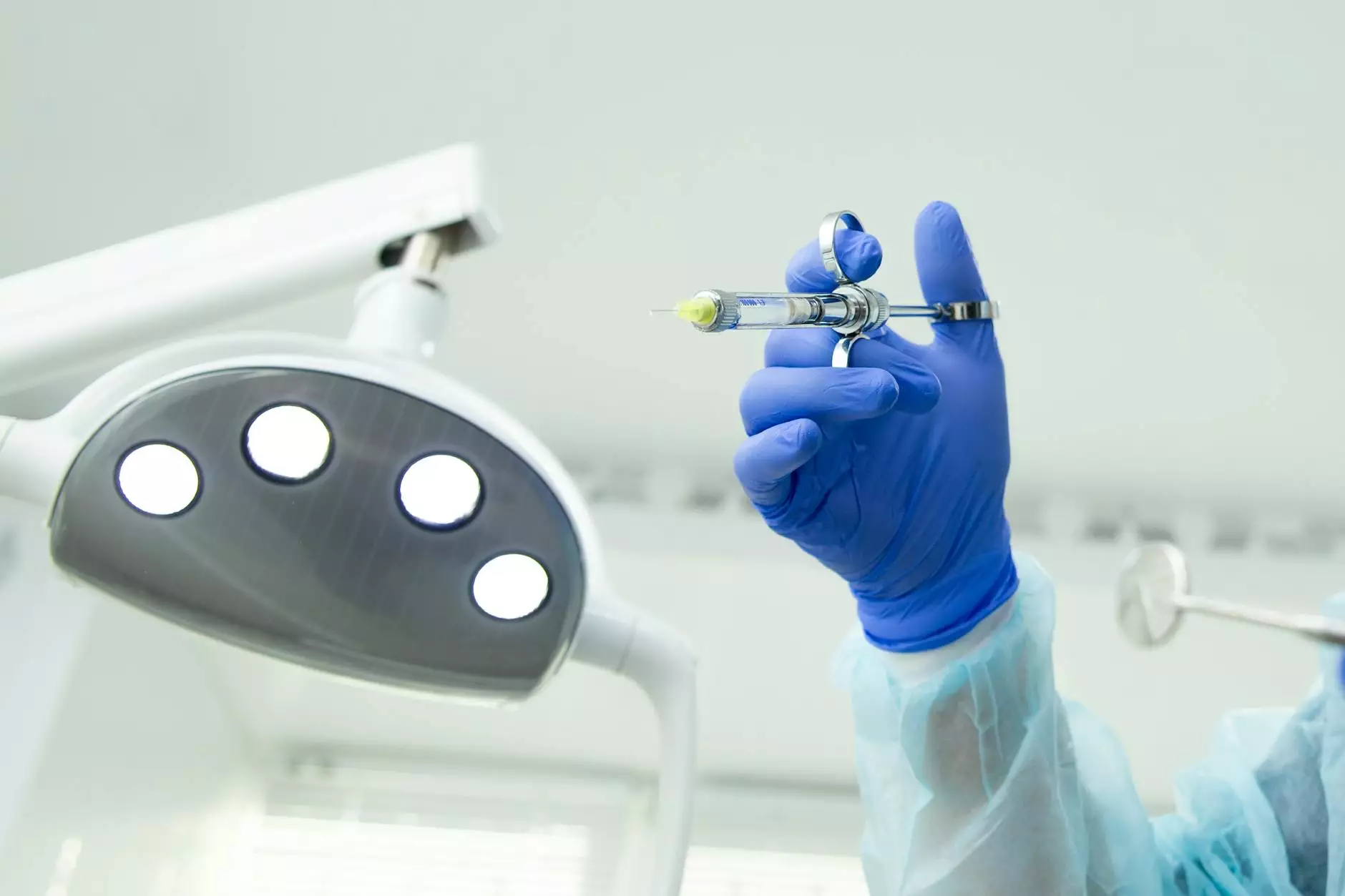
Fibroids, also known as uterine leiomyomas, are non-cancerous growths that develop in or on the uterus. They are among the most common benign tumors affecting women of reproductive age, often causing a variety of symptoms that can significantly impact quality of life. For women facing persistent symptoms or complications arising from fibroids, surgical removal becomes a vital treatment option. This extensive guide covers everything you need to know about surgical removal of fibroids, including types of procedures, indications, preparation, recovery, and the expertise you can expect from trusted drseckin.com obstetricians & gynecologists.
Understanding Uterine Fibroids: Causes, Symptoms, and Diagnosis
Uterine fibroids are benign growths arising from smooth muscle tissue within the uterus. Their exact cause remains unknown but is believed to involve genetic, hormonal, and environmental factors. Estrogen and progesterone are known to influence fibroid growth, which explains why they often enlarge during pregnancy and shrink post-menopause.
Common symptoms associated with fibroids include:
- Heavy menstrual bleeding
- Prolonged periods
- Pelvic pressure or pain
- Bladder or bowel dysfunction
- Pelvic distension or bloating
- Pain during intercourse
Diagnosis typically involves a combination of pelvic examination, ultrasound imaging, and MRI if needed for detailed assessment. Precise identification of fibroid size, location, and number is critical for determining the appropriate treatment, including surgical options.
When Is Surgical Removal of Fibroids Necessary?
Surgical removal is generally recommended when fibroids cause significant symptoms, impact fertility, or pose health risks. Specific indications include:
- Severe menorrhagia leading to anemia
- Significant pelvic pain or pressure
- Interference with conception or pregnancy loss
- Rapidly enlarging fibroids
- Suspicion of malignant transformation (rare)
Deciding on surgical intervention involves comprehensive evaluation by experienced obstetricians & gynecologists to tailor treatment to individual needs, considering factors such as age, desire for future fertility, and overall health.
Types of Surgical Procedures for Fibroid Removal
The choice of procedure depends on fibroid size, number, location, and patient preferences. The main surgical options include:
1. Myomectomy: The Gold Standard for Fertility Preservation
Myomectomy involves the removal of fibroids while preserving the uterus, making it ideal for women wishing to retain their fertility. It can be performed via different approaches:
- Hysteroscopic Myomectomy: Suitable for submucosal fibroids accessible through the cervix using hysteroscopy.
- Laparoscopic Myomectomy: Minimally invasive surgery for accessible intramural and subserosal fibroids.
- Open (Laparotomy) Myomectomy: Traditional approach reserved for large or numerous fibroids, or complex cases.
Myomectomy offers the benefit of symptom relief while maintaining the uterus in its natural position, thus supporting future pregnancy efforts.
2. Hysterectomy: Complete Uterus Removal
A hysterectomy involves removal of the entire uterus and is typically considered when fibroids are extensive, recurrent, or associated with other uterine pathology. It eliminates the possibility of fibroid recurrence but ends fertility permanently. This procedure may be performed abdominally, laparoscopically, or robot-assisted for minimally invasive access.
3. Uterine-Artery Embolization (UAE): A Minimally Invasive Alternative
Though not a traditional surgical method, UAE involves blocking blood flow to fibroids using embolic agents delivered through an artery, causing fibroid shrinkage. It is suitable for women seeking symptom relief without open surgery, though it may not be ideal for women desiring future pregnancies.
4. Magnetic Resonance-Guided Focused Ultrasound (MRgFUS): Non-Invasive Option
This innovative technique uses focused ultrasound waves to ablate fibroid tissue precisely, guided by MRI imaging. While promising, its suitability depends on fibroid characteristics and patient anatomy.
Preparing for Surgical Removal of Fibroids
Preparation involves detailed preoperative evaluation, which includes imaging studies, blood tests, and assessment of overall health. Patients are advised to:
- Discuss with their surgeon about procedural details, risks, and expected outcomes
- Plan for postoperative recovery period, including assistance at home if necessary
- Manage medications, especially blood thinners or any other prescriptions
- Arrange transportation post-surgery, as mobility may be limited initially
Optimizing overall health, including managing hypertension, diabetes, or other comorbidities, enhances surgical safety and improves outcomes.
Recovery and Postoperative Care
The recovery duration depends on the type of procedure performed:
- Hysteroscopic procedures: Usually involve minimal downtime—returning to normal activities within a few days.
- Myomectomy (laparoscopic or open): May require 1-4 weeks for full recovery, with open surgeries having longer hospitalization and healing times.
- Hysterectomy: Generally involves a hospital stay of 1-3 days, with recovery taking 4-6 weeks.
Postoperative care includes pain management, wound care, activity modification, and follow-up imaging to monitor for recurrence or complications. Women are encouraged to maintain a healthy lifestyle to support healing.
Risks and Complications of Surgical Removal of Fibroids
Although generally safe when performed by experienced specialists, surgical procedures carry inherent risks, including:
- Bleeding
- Infection
- Injury to adjacent organs (bladder, bowel)
- Adhesion formation
- Recurrence of fibroids
- Postoperative scar formation
Choosing an expert obstetrician & gynecologist ensures minimized risks, personalized care, and optimal management of potential complications.
The Expertise of drseckin.com in Managing Fibroid Cases
At drseckin.com, our team of highly skilled obstetricians & gynecologists specializes in advanced minimally invasive gynecologic surgeries, including surgical removal of fibroids. We prioritize a patient-centered approach, combining cutting-edge technology with compassionate care to ensure the best possible outcomes.
Our clinic offers:
- Comprehensive evaluation and personalized treatment planning
- State-of-the-art surgical facilities
- Minimally invasive techniques such as laparoscopic and hysteroscopic surgeries
- Postoperative support and follow-up care
Trust our expert team to guide you through your treatment journey with safety, precision, and compassion, empowering you to regain your health and well-being.
Conclusion: Take the Next Step Toward Symptom Relief and Better Health
If you are experiencing symptoms associated with fibroids or have been diagnosed with uterine fibroids that are impacting your quality of life, consider consulting a specialist for a thorough evaluation. Surgical removal of fibroids remains a highly effective, safe, and often life-changing option for suitable candidates.
By choosing the skilled obstetricians & gynecologists at drseckin.com, you are prioritizing your health with a team dedicated to excellence, innovation, and personalized care. Don’t let fibroids dictate your life—explore your surgical options today and take the first step toward relief and renewed vitality.