Creative Concepts / Journal
Understanding Implantology Dental Care: A Path to a Healthy Smile
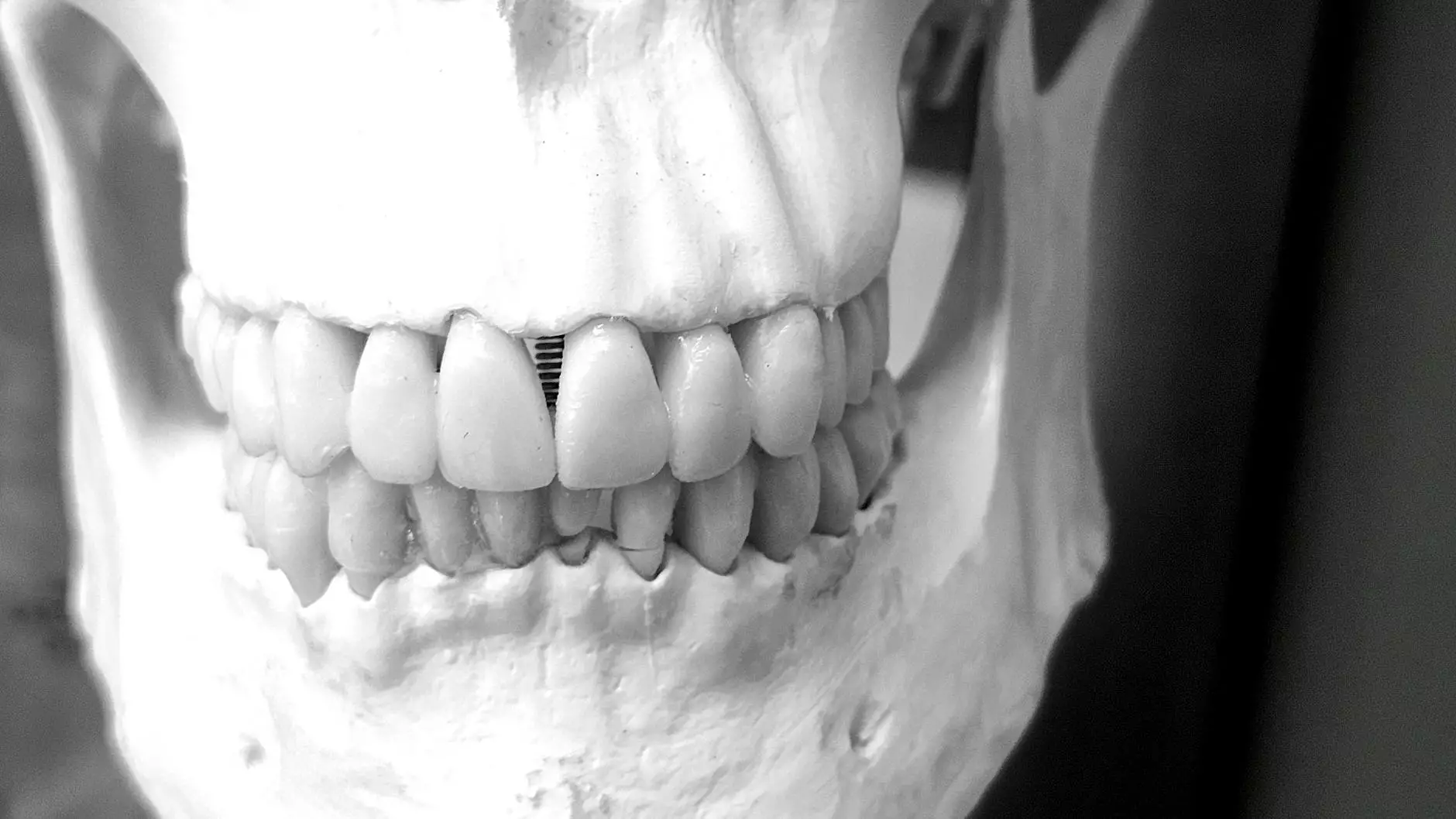
Implantology dental care is a specialized field in dentistry that focuses on the placement of dental implants to replace missing teeth and restore both function and aesthetics. With advancements in technology and techniques, implantology has emerged as a preferred solution for those seeking a permanent and effective dental restoration. In this comprehensive guide, we will delve deep into the intricacies of implantology dental care, discussing its benefits, procedures, and how it can transform oral health.
The Significance of Dental Implants
Dental implants are artificial tooth roots, typically made from titanium, that are surgically placed into the jawbone. They provide a sturdy foundation for fixed or removable replacement teeth that are made to match your natural teeth. The significance of implantology dental care lies in its ability to:
- Restore functionality: Dental implants allow for normal chewing, speaking, and overall oral function.
- Preserve jawbone health: They stimulate the jawbone, preventing deterioration that often occurs with tooth loss.
- Enhance appearance: Implants look and feel like natural teeth, improving self-esteem.
- Durability: With proper care, implants can last a lifetime, making them a cost-effective solution.
Types of Dental Implants
There are primarily two main types of dental implants:
1. Endosteal Implants
Endosteal implants are the most common type. They are placed directly into the jawbone and are commonly shaped like small screws. After surgery, a healing period allows the implants to integrate with the bone before the prosthetic teeth are attached.
2. Subperiosteal Implants
Subperiosteal implants are situated under the gum but above the jawbone. This type is generally used for patients who do not have enough healthy jawbone for endosteal implants and for those who prefer not to undergo bone augmentation procedures.
The Implantology Dental Care Process
The process of implantology dental care involves several steps. Each stage is crucial to ensure a successful outcome. Here’s a detailed breakdown:
1. Initial Consultation
The journey begins with a comprehensive consultation where your dentist will evaluate your oral health, discuss your desires, and formulate a tailored treatment plan.
2. Imaging and Planning
Advanced imaging technologies like X-rays or 3D scans are employed to assess the jawbone’s structure. This data helps in the precise placement of the implants.
3. Implant Placement Surgery
During the procedure, the dentist will place the implant into the jawbone under local anesthesia. This involves a surgical incision in the gum to expose the bone before placing the implant. Once done, stitches are used to close the incision.
4. Healing and Osseointegration
Following the surgery, a healing period of several months is necessary for osseointegration to occur. This is when the jawbone grows around the implant, securing it firmly in place.
5. Abutment Placement
Once healing is complete, an abutment (a small connector post) is attached to the implant. This will hold the replacement tooth in place.
6. Crown Placement
Finally, a custom-made crown is affixed to the abutment. This crown should blend seamlessly with your natural teeth, restoring your smile’s functionality and aesthetics.
Benefits of Implantology Dental Care
Choosing implantology dental care offers numerous advantages, further solidifying its place as a leading solution in modern dentistry:
- Improved speech: Unlike dentures that can slip, dental implants allow you to speak confidently without the worry of slippage.
- Enhanced comfort: Implants eliminate the discomfort associated with removable dentures, providing a more comfortable and natural experience.
- Better oral health: Implants don’t require the reduction of neighboring teeth, preserving the overall integrity of your dental structure.
- Convenient care: Dental implants are easy to clean, requiring the same routine maintenance as natural teeth.
Are You a Good Candidate for Dental Implants?
Not everyone is an ideal candidate for dental implants. Several factors are considered during the evaluation process:
- Oral Health: Good oral hygiene is essential. Gum disease or cavities must be addressed prior to the procedure.
- Jawbone Density: Sufficient jawbone density is required for successful implant placement. Patients with bone loss may need bone grafting.
- Overall Health: Certain medical conditions and medications may affect healing. A thorough medical history evaluation is crucial.
Post-Operative Care and Maintenance
Post-operative care is crucial for the longevity of your implants. Here are some essential tips:
- Maintain a rigorous oral hygiene routine, including brushing and flossing daily.
- Attend regular dental check-ups for professional cleanings and evaluations.
- Avoid tobacco products, as they can hinder healing and impact implant success.
- Follow your dentist's post-operative instructions carefully, especially regarding diet and pain management.
Concluding Thoughts on Implantology Dental Care
In summary, implantology dental care plays a vital role in modern dentistry, offering a reliable solution for individuals suffering from tooth loss. The process, while requiring meticulous planning and a commitment to care, yields stunning results that can transform one’s smile and oral health. It’s essential to consult with qualified dental professionals, like those at Teeth at Tiong Bahru, who specialize in implantology to ensure optimal outcomes. Whether you are considering dental implants for functional, aesthetic or health reasons, understanding the benefits and processes involved will empower you to make informed decisions regarding your dental health.
For more information on implantology dental care and to schedule a consultation, visit Teeth at Tiong Bahru. Your journey to a healthier smile begins today!