Creative Concepts / Journal
The Importance of Lung CT Scans in Modern Health Care
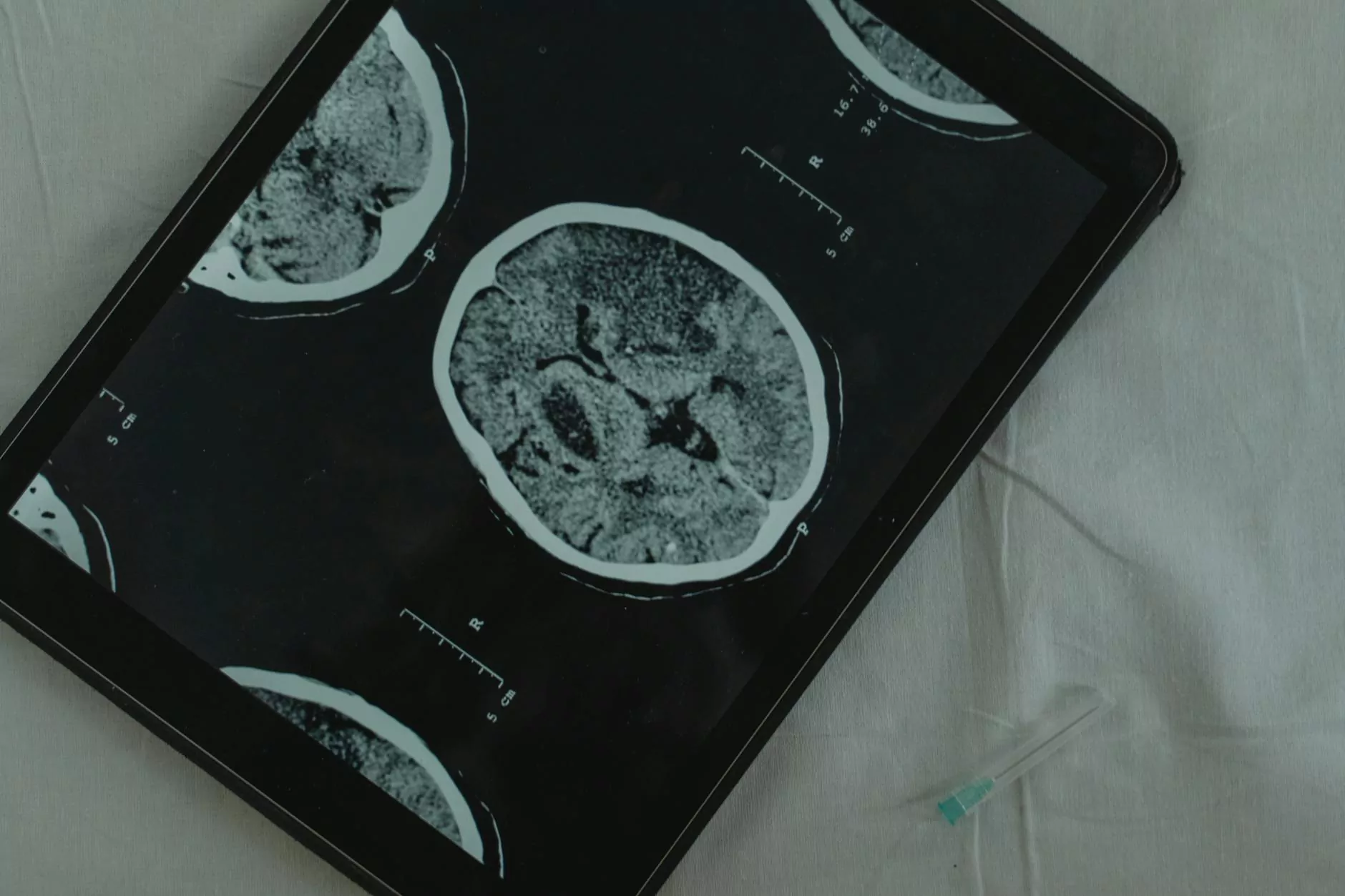
The advent of advanced medical imaging technologies has transformed the diagnostic landscape, with lung CT scans standing out as one of the most critical tools in the realm of health care. This comprehensive article aims to delve into the myriad benefits of lung CT scans, shedding light on their role in the diagnosis and management of respiratory conditions, particularly within the domains of Health & Medical, Sports Medicine, and Physical Therapy.
What is a Lung CT Scan?
A lung CT scan, or computed tomography scan, is a specialized imaging procedure that utilizes X-ray technology to create detailed cross-sectional images of the lungs and surrounding structures. Unlike standard X-rays, which provide only a two-dimensional view, lung CT scans offer three-dimensional images that allow for a more nuanced perspective of lung anatomy and pathology.
These scans are paramount in the detection of various lung conditions, such as:
- Lung Cancer: Early detection significantly increases survival rates.
- Pneumonia: Helps visualize areas of infection and fluid accumulation.
- Chronic Obstructive Pulmonary Disease (COPD): Assists in assessing lung damage and function.
- Interstitial Lung Disease: Evaluates lung tissue for inflammation and scarring.
The Process of a Lung CT Scan
Understanding the process of a lung CT scan can alleviate patient concerns and enhance compliance. Here’s a step-by-step breakdown of what to expect during the procedure:
- Preparation: Patients may receive specific instructions regarding dietary restrictions or the need to avoid certain medications.
- Positioning: The patient is asked to lie down on a table that slides into the CT scanner, often on their back.
- Breathing Instructions: The technician will instruct the patient on when to breathe in, hold their breath, or exhale during imaging to ensure clarity.
- Image Acquisition: The machine will take multiple images in rapid succession, typically lasting only a few minutes.
- Post-Scan Review: Patients can return to their normal activities immediately after the scan unless instructed otherwise.
Benefits of Lung CT Scans
Lung CT scans offer numerous advantages, making them an integral part of respiratory diagnostics. Some key benefits include:
1. Early Detection of Diseases
One of the most significant advantages of lung CT scans is their ability to detect lung cancer and other serious conditions at an earlier stage than traditional imaging methods. Early diagnosis can lead to more effective treatment options and improved patient outcomes.
2. Detailed Visualization
CT scans provide high-resolution images, allowing radiologists to identify even subtle abnormalities. This level of detail is crucial when diagnosing conditions like:
- Benign and malignant tumors
- Fluid accumulation (pleural effusion)
- Atelectasis (lung collapse)
3. Guiding Treatment Plans
In Sports Medicine, accurate imaging is vital for developing personalized treatment protocols for athletes. Lung CT scans can help healthcare providers tailor rehabilitation plans, especially for those with a history of lung issues related to athletic performance.
Applications in Health & Medical Settings
In today's medical landscape, the application of lung CT scans extends beyond traditional diagnostic roles to influence treatment pathways.
1. Screening for Lung Cancer
Low-Dose CT Screening: For high-risk populations, particularly smokers, lung CT screening has emerged as a crucial tool in the fight against lung cancer. Studies have shown that annual low-dose CT screening can reduce lung cancer mortality in these individuals by up to 20%.
2. Monitoring Chronic Conditions
Patients with chronic respiratory issues, such as COPD or interstitial lung disease, benefit from lung CT scans for ongoing monitoring. Regular scans help healthcare providers evaluate disease progression and adjust treatment protocols accordingly. Effective management not only enhances quality of life but also minimizes hospitalizations.
3. Interventional Procedures
Lung CT scans are invaluable in performing various interventional procedures, such as:
- Biopsies: Aspiration of lung masses for pathological examination.
- Placement of Catheters: Insertion of catheters for drainage of pleural effusions.
Lung CT Scans in Sports Medicine
In the realm of sports medicine, maintaining optimal lung health is critical for athlete performance and recovery. The integration of lung CT scans in this field has yielded several benefits:
1. Assessing Exercise-Induced Lung Conditions
Athletes may experience respiratory issues related to performance-induced conditions. Lung CT scans can help identify abnormalities that might affect breathing patterns, enabling targeted interventions.
2. Evaluating Athletic Health
Regular lung screenings through CT can aid in the pre-participation assessment of athletes, ensuring they are fit to compete and highlighting any underlying conditions that could pose risks during training or competition.
Physical Therapy and Lung Health
Physical therapy plays a significant role in the rehabilitation of patients with lung conditions. The insights gained from lung CT scans can greatly influence physical therapy practices:
1. Personalized Rehabilitation Programs
Therapists can develop individualized exercise regimens based on the unique findings from CT scans, focusing on enhancing lung function, endurance, and overall health.
2. Monitoring Progress
By comparing initial lung CT scan results with follow-up images, physical therapists can objectively assess patients' progress and make necessary adjustments to treatment plans.
Considerations and Risks of Lung CT Scans
While lung CT scans are incredibly beneficial, they are not without some risks and considerations:
- Radiation Exposure: CT scans expose patients to ionizing radiation. However, low-dose protocols help mitigate this risk, especially in screening scenarios.
- Radiologist Interpretation: The accuracy of results relies heavily on the radiologist's expertise, underscoring the necessity for skilled professionals.
- Cost and Accessibility: Depending on the healthcare system, the cost of CT scans may be a barrier for some patients.
Conclusion
In summary, lung CT scans are a pivotal element in the diagnosis and management of respiratory diseases. Their ability to provide detailed imaging aids in the early detection of life-threatening conditions like lung cancer and informs treatment plans across various medical disciplines, from Health & Medical to Sports Medicine and Physical Therapy. Ensuring patients have access to this essential diagnostic tool is crucial for improving health outcomes and enhancing overall respiratory health.
At Hello Physio, we recognize the importance of comprehensive lung health in our patients. Our team is committed to providing state-of-the-art services that include access to advanced imaging technologies and tailored rehabilitation plans. We aim to empower our patients through knowledge and personalized care, promoting better health outcomes for all.
For more information about lung health and the services offered at Hello Physio, feel free to contact us or visit our website.