Creative Concepts / Journal
Bilateral Oophorectomy and Salpingectomy: A Comprehensive Guide
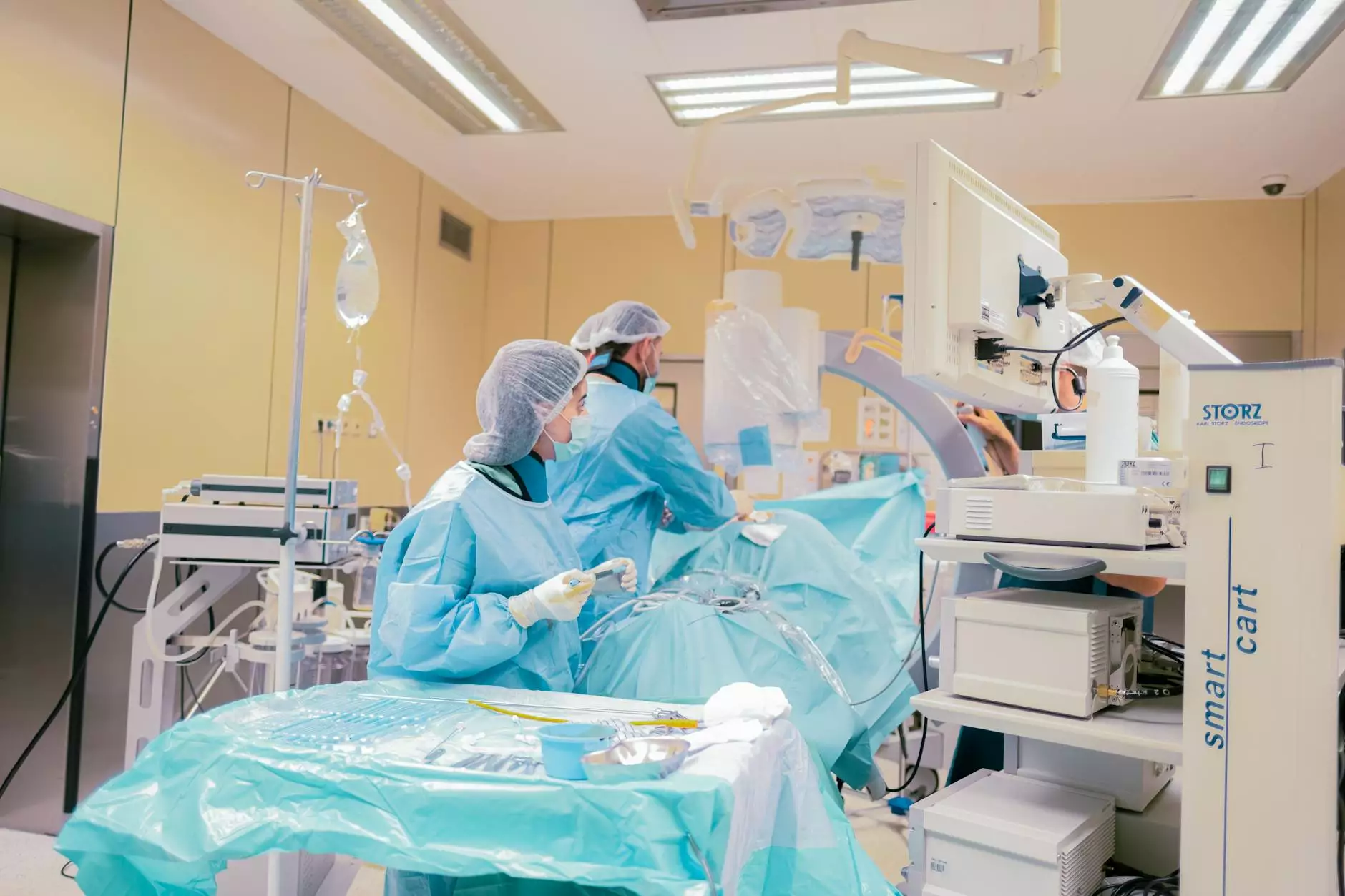
The field of women's health has seen remarkable advancements, particularly in the domain of surgical procedures aimed at enhancing health outcomes. Among these procedures, bilateral oophorectomy and salpingectomy stand out due to their significance in treating various gynecological conditions. This article is designed to provide a detailed overview of these procedures, elucidating their roles, benefits, risks, and considerations, while aligning with the latest medical insights and best practices in the field.
Understanding Bilateral Oophorectomy and Salpingectomy
At the outset, it is imperative to define what bilateral oophorectomy and salpingectomy entail:
- Bilateral Oophorectomy: This surgical procedure involves the removal of both ovaries.
- Salpingectomy: This refers to the removal of one or both fallopian tubes.
Indications for the Procedures
There are several medical indications for performing a bilateral oophorectomy and salpingectomy, including but not limited to:
- Ovarian Cancer: Patients diagnosed with ovarian cancer may require surgical intervention to remove cancerous tissues.
- Endometriosis: Severe cases of endometriosis might necessitate the removal of affected ovaries and/or fallopian tubes.
- Genetic Risk Factors: Women with BRCA gene mutations may opt for these surgeries as a preventive measure against ovarian and breast cancers.
- Pelvic Inflammatory Disease: Chronic infections and complications may require surgical intervention to prevent further health issues.
The Surgical Procedure Explained
The surgical procedures involved in bilateral oophorectomy and salpingectomy can vary, but they often include:
- Anesthesia: Patients are typically administered general anesthesia for effective pain management during the procedure.
- Accessing the Pelvic Cavity: Surgeons may utilize traditional open surgery or laparoscopic techniques, which involve smaller incisions and often lead to quicker recovery times.
- Removal of Ovaries and/or Fallopian Tubes: The surgeon carefully dissects and resects the target organs while minimizing damage to surrounding tissues.
- Closure: After the procedure, incisions are closed, and the patient is monitored during recovery.
Benefits of Bilateral Oophorectomy and Salpingectomy
One of the key aspects of any medical procedure is understanding the benefits it provides. The major benefits of bilateral oophorectomy and salpingectomy include:
- Reduction of Cancer Risk: By removing ovaries and fallopian tubes, the risk of ovarian and certain types of breast cancer is significantly decreased.
- Management of Pain: Many patients experience relief from chronic pelvic pain and other associated symptoms.
- Improved Quality of Life: For women suffering from debilitating conditions like endometriosis, these procedures can lead to a significant improvement in overall well-being.
- Preventive Action: Especially for those with genetic predispositions, these surgeries serve as effective preventive interventions.
Potential Risks and Considerations
Like any surgical procedure, bilateral oophorectomy and salpingectomy are not without risks. Patients should be informed about:
- Anesthesia Risks: Complications related to anesthesia, although rare, can occur.
- Infection: There is a risk of postoperative infections, requiring close monitoring and potential antibiotic treatment.
- Hormonal Changes: Removing the ovaries may lead to symptoms associated with menopause, including hot flashes and mood changes.
- Long-term Health Implications: Potential cardiovascular and bone health effects may need to be managed post-surgery.
Post-Operative Care and Recovery
The recovery process post-surgery is crucial for ensuring optimal outcomes. Key aspects of post-operative care include:
- Follow-Up Visits: Regular check-ups to monitor recovery and manage any complications are essential.
- Medication Management: Patients may require prescriptions for pain management and to prevent infection.
- Support Systems: Emotional and psychological support during recovery can be beneficial as patients adjust to changes resulting from surgery.
- Activity Restrictions: Patients should adhere to guidelines regarding physical activity and lifting heavy objects.
Consulting with Specialists
Engaging with qualified healthcare providers, such as obstetricians and gynecologists, is essential to understanding the need for bilateral oophorectomy and salpingectomy. Specialists can provide personalized advice based on:
- Medical History: Past medical events and family history play a significant role in determining the necessity of these procedures.
- Current Health Status: A thorough evaluation of the patient's overall health can guide decisions regarding surgery.
- Long-Term Goals: Each patient's reproductive goals and health objectives will influence treatment recommendations.
Conclusion: Empowerment Through Knowledge
In summary, bilateral oophorectomy and salpingectomy represent significant surgical approaches that can dramatically affect women's health and well-being. Understanding the procedures, potential benefits, and considerations empowers patients to make informed decisions regarding their health. It is imperative to collaborate with healthcare professionals who specialize in obstetrics and gynecology to navigate the complexities of these surgeries effectively. At drseckin.com, we are dedicated to providing comprehensive care and guidance for women facing these choices. Your health journey is important, and informed decisions can lead to improved outcomes and enhanced quality of life.