Creative Concepts / Journal
The Benefits and Uses of Compressed Wood Pellets
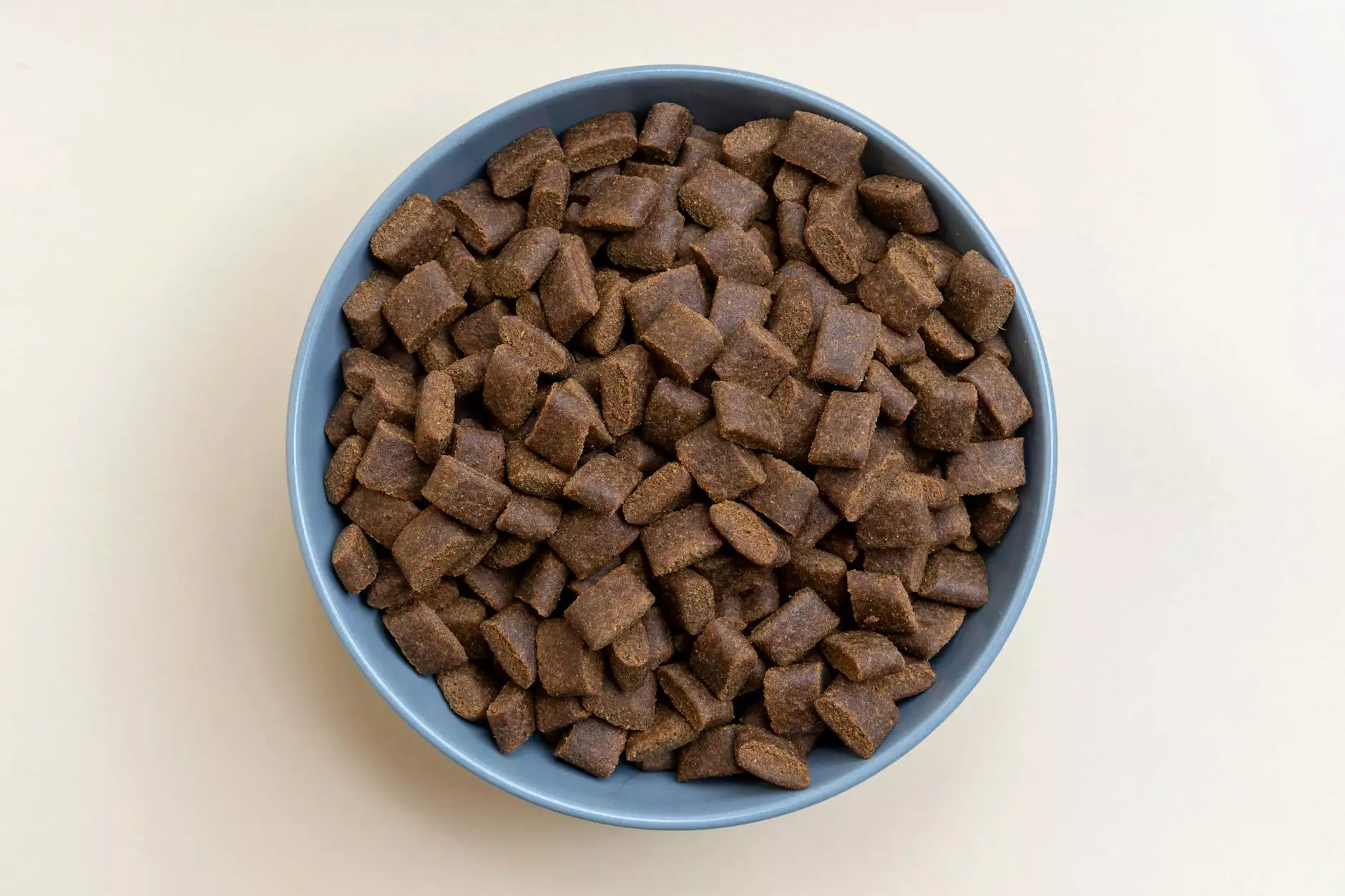
Compressed wood pellets have emerged as a powerful solution for various industries and homeowners alike, offering a renewable and efficient source of energy. As a high-end copywriter, it’s essential to highlight why these small, dense pellets are gaining popularity, especially in the sustainable energy market and the bulk timber supply sectors like those offered by eksidtechug.com.
What Are Compressed Wood Pellets?
Compressed wood pellets are small cylindrical pieces of wood that have been processed and compressed from materials such as sawdust, wood chips, and other wood byproducts. The production process involves:
- Drying: Raw materials are dried to reduce moisture content.
- Grinding: The dried wood is ground into a fine powder.
- Pelletizing: The ground wood is then compressed into pellets using high pressure and temperature, which also helps to naturally bind the materials together, eliminating the need for chemical additives.
- Cooling and Packaging: Finally, the pellets are cooled and packaged for distribution.
The Advantages of Using Compressed Wood Pellets
Compressed wood pellets boast numerous advantages that make them an attractive option for both industrial and residential use. Here are some key benefits:
1. Renewable Energy Source
Using compressed wood pellets contributes to a sustainable energy strategy, as they are derived from renewable resources. When sourced sustainably, wood pellets can significantly reduce reliance on fossil fuels and help combat climate change.
2. Efficient Energy Production
Wood pellets offer a high energy density, meaning they generate more heat per unit compared to traditional firewood. This efficiency leads to:
- Less storage space needed due to their compact size.
- Extended burn times, which enhance heating effectiveness.
3. Eco-Friendly Choice
Compared to fossil fuels, compressed wood pellets produce lower amounts of carbon dioxide and other harmful emissions. This helps in maintaining a cleaner environment and promotes better air quality.
4. Cost-Effective Heating Solution
With rising energy costs, many homeowners are turning to wood pellets as a more affordable alternative. The cost-effectiveness stems from:
- The competitive pricing of pellets compared to oil and gas.
- Government incentives and rebates for using renewable energy sources, making the initial investment more manageable.
5. Versatile Applications
Beyond heating, compressed wood pellets have a variety of applications:
- Pellet stoves and boilers for residential heating.
- Industrial uses, such as powering generators and in manufacturing.
- Animal bedding, where they serve as a hygienic and absorbent material.
How to Buy Compressed Wood Pellets
For those interested in using compressed wood pellets, selecting the right supplier is crucial. Here are some tips to ensure you make the best purchase:
1. Research Trusted Suppliers
Check local and online suppliers, like eksidtechug.com, to find reputable brands. Look for:
- Customer reviews and ratings.
- Certifications that ensure quality, such as the Pellet Fuel Institute (PFI) standards.
2. Consider Bulk Purchases
Buying compressed wood pellets in bulk can lead to significant savings. Choose suppliers that offer bulk delivery services to reduce operational costs and ensure consistent supply.
3. Gauge Quality and Composition
Ensure that the pellets meet the required standards regarding quality. High-quality pellets are typically made from pure softwood and have a low moisture content, leading to higher combustion efficiency.
Environmental Impact and Sustainability
One of the main driving forces behind the popularity of compressed wood pellets is their positive environmental impact. Here’s how they contribute to sustainability:
1. Carbon Neutrality
When burned, wood pellets release carbon dioxide that was absorbed by the trees during their growth cycle, making them a carbon-neutral fuel source. This cycle plays a crucial role in stabilizing atmospheric carbon levels.
2. Supporting Local Economies
Purchasing compressed wood pellets often supports local forestry companies, which in turn contributes to the local economy. Sustainable practices in harvesting and production further benefit local ecosystems.
3. Reduced Forest Waste
Utilizing wood byproducts that would otherwise go to waste reduces the overall demand for raw timber, promoting responsible forest management and helping to preserve natural habitats.
Future Trends in Compressed Wood Pellets
The market for compressed wood pellets is anticipated to grow significantly as more people embrace renewable energy options. Some emerging trends include:
1. Increased Residential Adoption
With advancements in pellet stove technology, more homeowners are likely to transition to pellet heating systems. Modern designs emphasize efficiency and user-friendliness, making them attractive alternatives to traditional heating systems.
2. Industrial Growth
Industries are re-evaluating their energy sources with an eye toward sustainability. The shift towards renewable energy will likely drive higher demand for compressed wood pellets in manufacturing and power generation.
3. Innovations in Pellet Production
Technological improvements in production methods can enhance the quality and reduce the costs of compressed wood pellets. This not only benefits manufacturers but also consumers looking for cheaper and more efficient alternatives.
Conclusion
In summary, compressed wood pellets stand out as a viable and environmentally friendly alternative to traditional heating fuels. Their benefits extend beyond mere energy provision, shaping a sustainable future. With a focus on responsible sourcing and quality, suppliers like eksidtechug.com are well-positioned to meet growing demand. As consumers and industries continue to seek sustainable solutions, the relevance and importance of compressed wood pellets will undoubtedly rise.
Choosing compressed wood pellets not only empowers individuals and businesses to take a step towards sustainability but also supports local economies and promotes responsible forest management. Embracing this renewable resource transforms not just how we think about energy, but contributes positively to the environment for generations to come.