Creative Concepts / Journal
Understanding Varicose Veins and Home Remedies for Removal
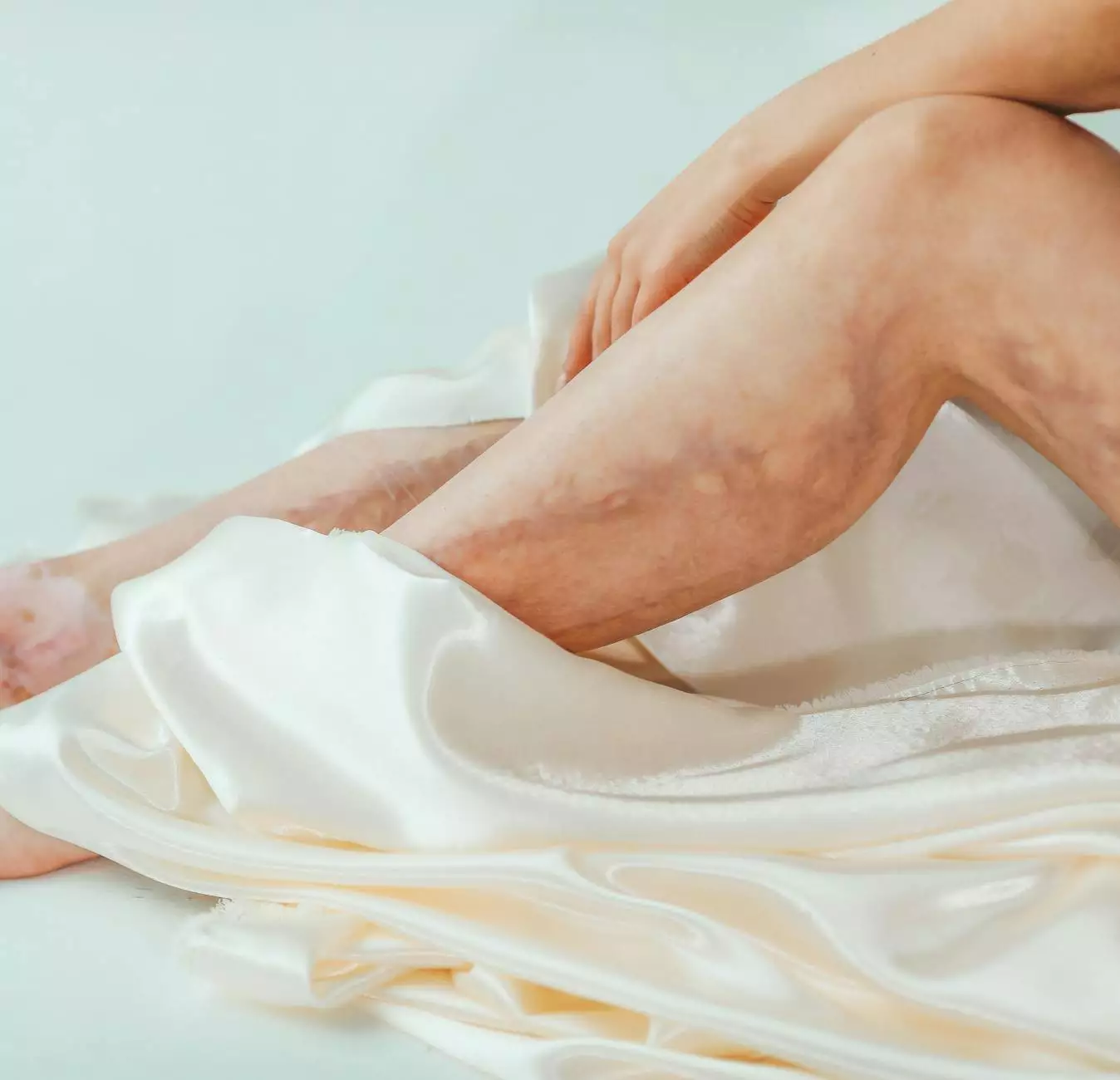
Varicose veins are a common condition affecting millions of people worldwide. They are characterized by enlarged, swollen veins, often appearing dark purple or blue, which typically occur in the legs and feet. Although oftentimes considered a cosmetic concern, they can lead to discomfort and complications if left untreated. In this comprehensive guide, we delve into the causes, symptoms, and effective methods for varicose vein removal at home.
What Causes Varicose Veins?
Understanding the underlying causes of varicose veins is crucial for preventing their occurrence or recurrence. Here are some key factors contributing to the formation of these veins:
- Genetics: A family history of varicose veins increases the likelihood of developing them.
- Age: As you age, your veins lose elasticity, making them more prone to swelling.
- Hormonal Changes: Fluctuations during pregnancy, menopause, or menstrual cycles can affect vein health.
- Obesity: Excess weight puts extra pressure on veins, leading to their enlargement.
- Prolonged Sitting or Standing: Occupations that require long periods of inactivity can lead to venous issues.
Symptoms of Varicose Veins
While some individuals may not experience any symptoms, common signs of varicose veins include:
- Aching pain or heaviness in the legs
- Swelling in the calves
- Skin discoloration around the affected area
- Itching or irritation over the veins
- Rope-like appearance of veins visible on the surface
Why Consider Home Treatments for Varicose Vein Removal?
Many people seek at-home remedies due to the convenience, cost-effectiveness, and the desire to avoid invasive procedures. While varicose vein removal often involves professional medical interventions, home treatments can serve as an effective alternative or complement to professional care.
Natural Remedies for Varicose Vein Removal at Home
Let’s explore some of the most effective home remedies for managing and potentially removing varicose veins:
1. Dietary Adjustments
A healthy diet plays a crucial role in vein health. By including certain foods, you can improve circulation and reduce inflammation. Consider incorporating:
- Fruits and Vegetables: Rich in antioxidants, vitamins, and fiber. Focus on berries, oranges, spinach, and garlic.
- Whole Grains: These aid in improving blood circulation and maintaining healthy weight.
- Healthy Fats: Omega-3 fatty acids found in fish and flaxseeds can help improve blood flow.
2. Herbal Remedies
Certain herbs have been known for their beneficial effects on blood circulation:
- Horse Chestnut: Contains aescin, which may strengthen vein walls and improve circulation.
- Grape Seed Extract: Contains antioxidants that may help protect and repair veins.
- Gotu Kola: Traditionally used in herbal medicine to improve vein health.
3. Compression Therapy
Utilizing compression stockings is one of the most effective methods for managing varicose veins at home. They provide gentle pressure, which helps improve blood flow and reduce swelling.
Types of compression garments include:
- Graduated Compression Stockings: Tighter at the ankle, gradually lessens up the leg.
- Thigh-high Compression Stockings: Provide support from ankle to thigh, promoting better circulation.
4. Exercise Regularly
Engaging in regular physical activity is essential for improving circulation and toning muscles that support veins. Consider activities such as:
- Walking: A low-impact option that boosts circulation.
- Cycling: Improves circulation in the legs while being easy on the joints.
- Yoga: Promotes flexibility and enhances blood circulation.
5. Elevate Your Legs
Regularly elevating your legs can significantly reduce pressure in the veins. Aim to elevate your legs above the level of your heart for 15-20 minutes several times a day.
6. Essential Oils
Some essential oils, when used correctly, can support vein health:
- Lavender Oil: Known for its soothing properties, can be mixed with carrier oil and massaged onto affected areas.
- Frankincense Oil: May help with vein elasticity and skin health.
- Helichrysum Oil: Often used for its anti-inflammatory properties.
When to Seek Professional Help
While many home remedies can alleviate symptoms and improve vein health, it's essential to know when to seek professional treatment. If you experience:
- Severe pain not alleviated by home remedies
- Open sores or ulcers near varicose veins
- Sudden swelling or changes in skin color
These symptoms warrant immediate attention from a vascular specialist.
Conclusion
In conclusion, while varicose vein removal at home requires patience and consistency, many individuals find success through a holistic approach that combines dietary modifications, herbal remedies, compression therapy, regular exercise, and elevation techniques. Always remember, however, that persistent or severe symptoms should prompt a visit to a healthcare provider, such as those found at Truffles Vein Specialists for tailored medical advice. Embracing a proactive stance towards vein health can lead you toward a more comfortable and confident lifestyle.
Additional Resources
For more information on varicose veins, natural remedies, and treatment options, explore the following:
- Treatment Options at Truffles Vein Specialists
- Preventive Care Tips
- Frequently Asked Questions