Creative Concepts / Journal
Understanding Laparoscopic Salpingo-Oophorectomy
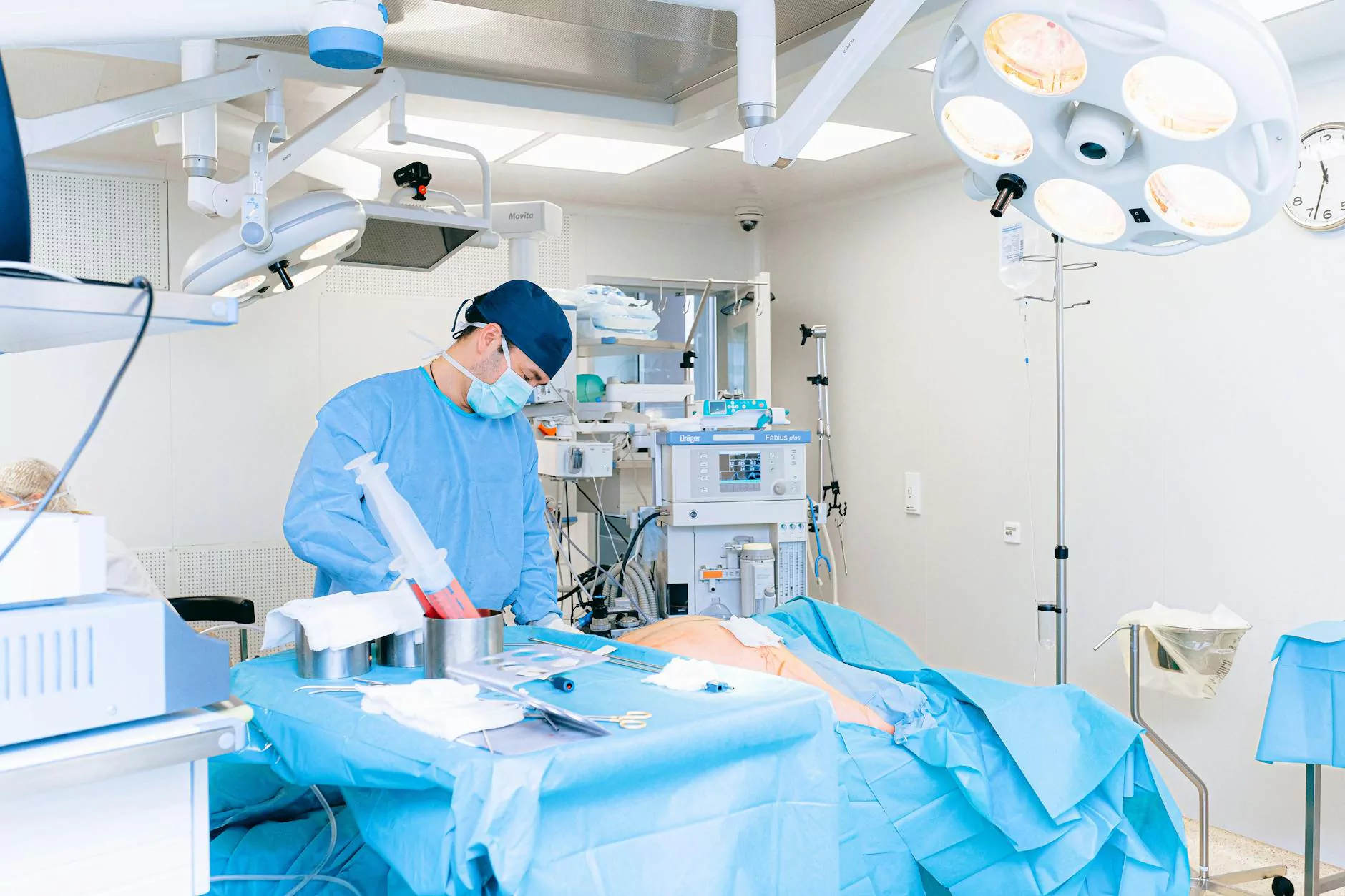
Laparoscopic salpingo-oophorectomy is a minimally invasive surgical procedure involving the removal of the ovaries and fallopian tubes. This comprehensive guide aims to provide significant insights into this procedure, its applications, benefits, risks, and the critical aspects of recovery, ensuring you are well-informed about this essential aspect of women's health.
What is Laparoscopic Salpingo-Oophorectomy?
The term laparoscopic salpingo-oophorectomy combines two critical medical terms: 'laparoscopic,' which refers to a minimally invasive surgical technique, and 'salpingo-oophorectomy,' which indicates the removal of the ovaries (oophorectomy) and the fallopian tubes (salpingectomy). This procedure is often performed to address various health conditions, including:
- Ovarian cysts
- Endometriosis
- Pelvic inflammatory disease (PID)
- Ovarian cancer
- Suspicion of cancer in pelvic organs
Benefits of Laparoscopic Surgery
One of the primary advantages of a laparoscopic salpingo-oophorectomy is its minimally invasive nature. Here are the benefits that come with this surgical option:
- Reduced Recovery Time: Patients experience faster recovery compared to open surgery, often returning to their normal routines within a few weeks.
- Minimized Scarring: Smaller incisions lead to significantly less visible scarring, enhancing cosmetic outcomes.
- Less Pain: Patients typically report less postoperative pain, allowing for a more comfortable recovery.
- Shorter Hospital Stay: Many patients can go home on the same day or the next day after surgery.
- Lower Infection Risk: With fewer and smaller incisions, there is a decreased risk of surgical infections.
The Procedure: A Step-by-Step Guide
The surgical procedure for a laparoscopic salpingo-oophorectomy generally involves several key steps:
1. Preoperative Preparation
Prior to the surgery, a comprehensive evaluation is performed, including blood tests, imaging studies like ultrasounds, and a detailed discussion about health history. Patients will also receive instructions on dietary restrictions and medications to avoid.
2. Anesthesia
On the day of the procedure, patients are typically given general anesthesia, ensuring they are asleep and pain-free throughout the surgery.
3. Laparoscope Insertion
The surgeon begins by making a small incision, usually near the navel, to insert the laparoscope—a thin tube equipped with a camera that provides a view of the pelvic organs on a monitor.
4. Additional Incisions
Depending on the specific requirements of the surgery, one or two additional small incisions may be made in the lower abdomen for the insertion of surgical instruments.
5. Removal of Ovaries and Fallopian Tubes
The surgeon carefully detaches the ovaries and fallopian tubes, which will then be removed through one of the incisions. If there are any abnormal growths or tissues, they may be biopsied during this process.
6. Closure of Incisions
Once the procedure is complete, the surgeon removes the instruments and laparoscope, then closes the incisions with sutures or surgical tape. The entire operation usually lasts between 1 to 3 hours.
Postoperative Care and Recovery
After a laparoscopic salpingo-oophorectomy, proper care is vital to facilitate a smooth recovery. Here are key aspects to consider:
1. Hospital Stay
Many patients are discharged within a day of surgery, but some may require a longer hospital stay depending on their individual case. Follow-up visits are essential to monitor healing.
2. Pain Management
It's normal to experience some discomfort after surgery. Physicians typically prescribe pain medication to help manage this and recommend over-the-counter medications as needed.
3. Activity Restrictions
Patients are encouraged to gradually resume normal activities but must avoid heavy lifting or straining for a few weeks. Light walks are often encouraged to enhance circulation.
4. Signs of Complications
Patients should be vigilant for any signs of complications such as excessive bleeding, high fever, or unusual swelling. Immediate communication with the healthcare provider is crucial if any of these symptoms occur.
The Importance of Choosing the Right Surgeons
When considering a laparoscopic salpingo-oophorectomy, it is imperative to choose a skilled and experienced surgeon. Look for the following qualifications:
- Board certification in obstetrics and gynecology
- Experience with laparoscopic procedures
- Positive patient testimonials and feedback
- Affiliation with reputable medical institutions
FAQs About Laparoscopic Salpingo-Oophorectomy
1. What are the risks involved?
Like any surgery, there are risks associated with a laparoscopic salpingo-oophorectomy, including bleeding, infection, and injury to surrounding organs. Discussing these risks with your doctor is 중요합니다.
2. Will this procedure affect my hormone levels?
If both ovaries are removed, this can lead to early menopause. Discuss potential hormonal implications with your healthcare provider beforehand.
3. How soon can I return to work?
Most patients can return to work within 1-2 weeks, but this varies based on individual recovery and the nature of their job. Consult with your doctor for personalized advice.
Conclusion
In conclusion, a laparoscopic salpingo-oophorectomy is a vital procedure for women's reproductive health that offers numerous benefits, including reduced recovery time and minimized scarring. With the right preparation and follow-up care, patients can look forward to a smooth recovery and improved health. For personalized care and expert guidance, consider reaching out to professionals at drseckin.com, where experienced obstetricians and gynecologists are committed to women's health and well-being.
Take Action
If you think that you might benefit from this procedure or wish to explore your options further, don't hesitate to consult with a qualified healthcare provider to discuss your concerns and find the best path forward for your health.