Creative Concepts / Journal
Understanding HVAC Fan Coil Systems for Enhanced Comfort in Automotive Applications
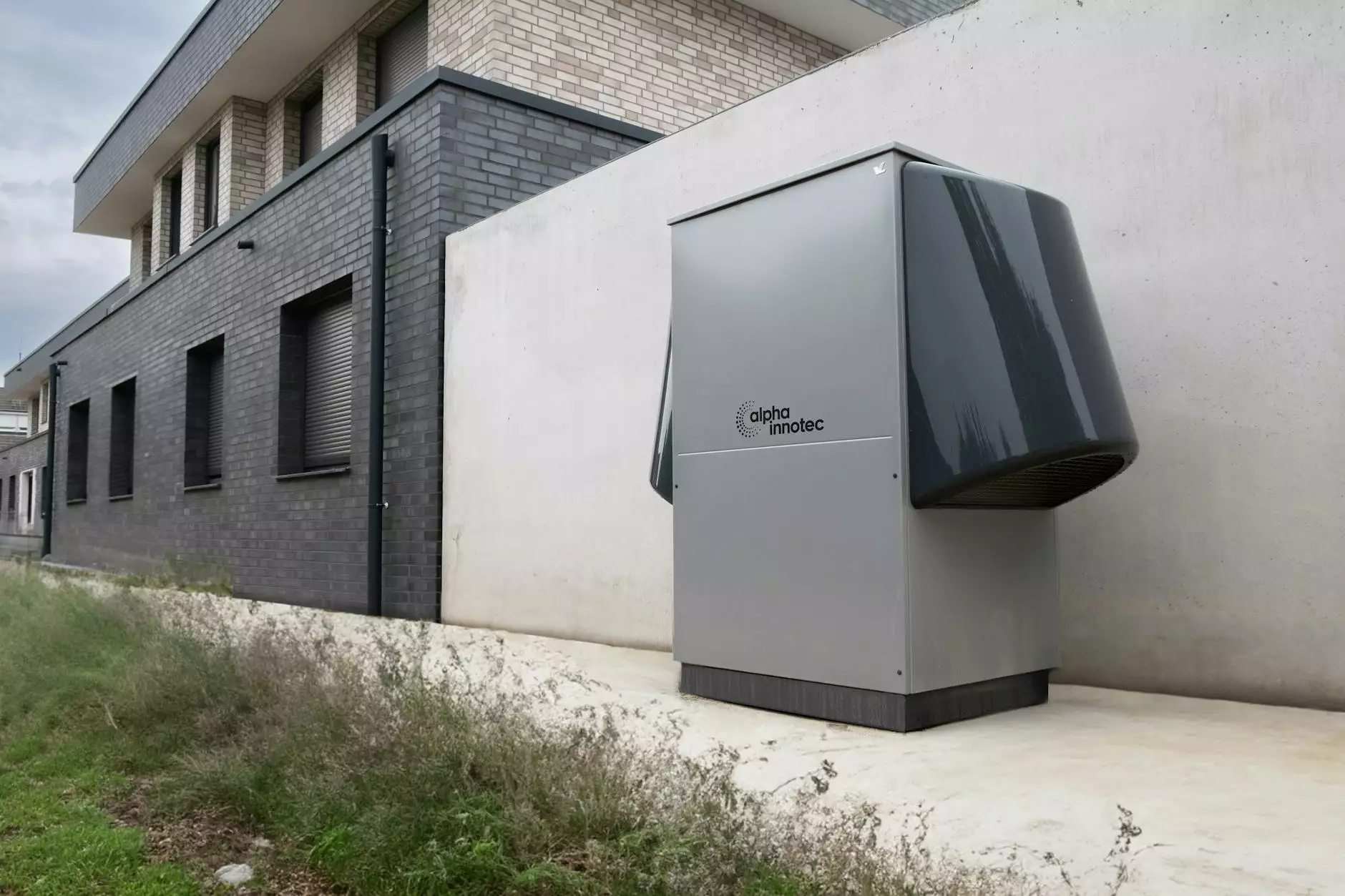
HVAC fan coil systems play a crucial role in ensuring comfortable temperatures within vehicles. As automotive technology advances, the need for efficient heating, ventilation, and air conditioning (HVAC) installations becomes even more critical. This article delves deep into the functionalities, advantages, and applications of fan coil units within the automotive sector.
What is an HVAC Fan Coil?
An HVAC fan coil refers to a system component that utilizes a coil and fan to circulate heated or cooled air throughout a space. In the context of vehicles, these systems are designed to optimize passenger comfort by regulating temperature and providing adequate ventilation. The fan draws air through the coils, which contain either hot water for heating or chilled water for cooling, and subsequently disperses the conditioned air into the vehicle’s cabin.
Components of an HVAC Fan Coil System
Understanding the basic components of HVAC fan coil systems is essential for comprehending their operation. The critical elements include:
- Fan: The primary component used to circulate air through the fan coil.
- Coils: Metal tubes where either hot or cold water circulates, transferring thermal energy to or from the air.
- Drain Pan: A pan that collects condensate from the coils, preventing water damage.
- Controls: Thermostats and control panels that enable users to manage temperature settings efficiently.
Advantages of Using HVAC Fan Coils in Automotive Applications
The implementation of HVAC fan coil systems in automotive applications provides numerous advantages:
1. Enhanced Comfort
The primary goal of any HVAC system is to create a comfortable environment. Fan coils are adept at maintaining consistent temperatures, ensuring passengers enjoy optimal comfort during their journeys.
2. Space Efficiency
HVAC fan coils are compact and can be installed in various spaces within the vehicle. Their smaller size compared to traditional HVAC units allows for design flexibility, meaning manufacturers can maximize space utilization effectively.
3. Energy Efficiency
With the growing focus on sustainability, fan coil units often operate more efficiently than larger HVAC systems. They can be designed to provide heating and cooling tailored to the specific needs of the vehicle, minimizing energy consumption.
4. Improved Air Quality
HVAC fan coils can be equipped with filters that capture dust, pollen, and other particulates from the air, thereby improving indoor air quality. This is particularly crucial for allergy sufferers and those sensitive to environmental irritants.
How HVAC Fan Coils Work
Understanding the functionality of HVAC fan coil systems helps reveal their effectiveness in maintaining spatial comfort. Here’s a step-by-step breakdown:
1. Air Intake
Air from the vehicle cabin is drawn into the fan coil unit through an intake vent. This air may be ambient air or recirculated air from the vehicle's interior.
2. Heating or Cooling
The air passes over the coil where hot or cold water circulates. The heat exchange occurs as the temperature from the coil transfers to the passing air, either heating or cooling it based on demand.
3. Air Distribution
The now-conditioned air is propelled by the fan into the cabin, promoting even distribution of temperature and comfort for all occupants.
Applications of HVAC Fan Coils in Automotive
While commonly found in commercial buildings and residential applications, HVAC fan coil systems are increasingly being utilized in the automotive sector, including:
- Passenger Vehicles: Fan coils ensure that all passengers maintain a comfort level regardless of outside weather conditions.
- Electric Vehicles (EVs): As electric vehicles minimize engine-generated heat, fan coils can effectively provide the necessary climate control.
- Transportation Buses: Large transport vehicles utilize these systems to ensure passenger comfort during longer transit times.
- Recreational Vehicles (RVs): High-end RVs often incorporate fan coil systems for comfort in varying climatic conditions.
Factors to Consider When Choosing HVAC Fan Coils
Selecting the right HVAC fan coil system involves evaluating various considerations:
1. System Size
Choosing the appropriate size of the fan coil is imperative to ensure it aligns with the vehicle's heating and cooling needs. An incorrectly-sized unit may lead to inefficiency.
2. Power Consumption
Examine the energy ratings and efficiency levels of various models. Opting for an energy-efficient fan coil can contribute to lower operational costs over time.
3. Noise Levels
Consider the sound generated by the fan coil during operation. Look for models designed for quiet operation to enhance passenger comfort.
4. Ease of Maintenance
Choose systems that allow for easy access to components for routine maintenance and filter changes, which prolongs lifespan and enhances efficiency.