Creative Concepts / Journal
The Importance of Health Immunisation: Safeguarding Our Future
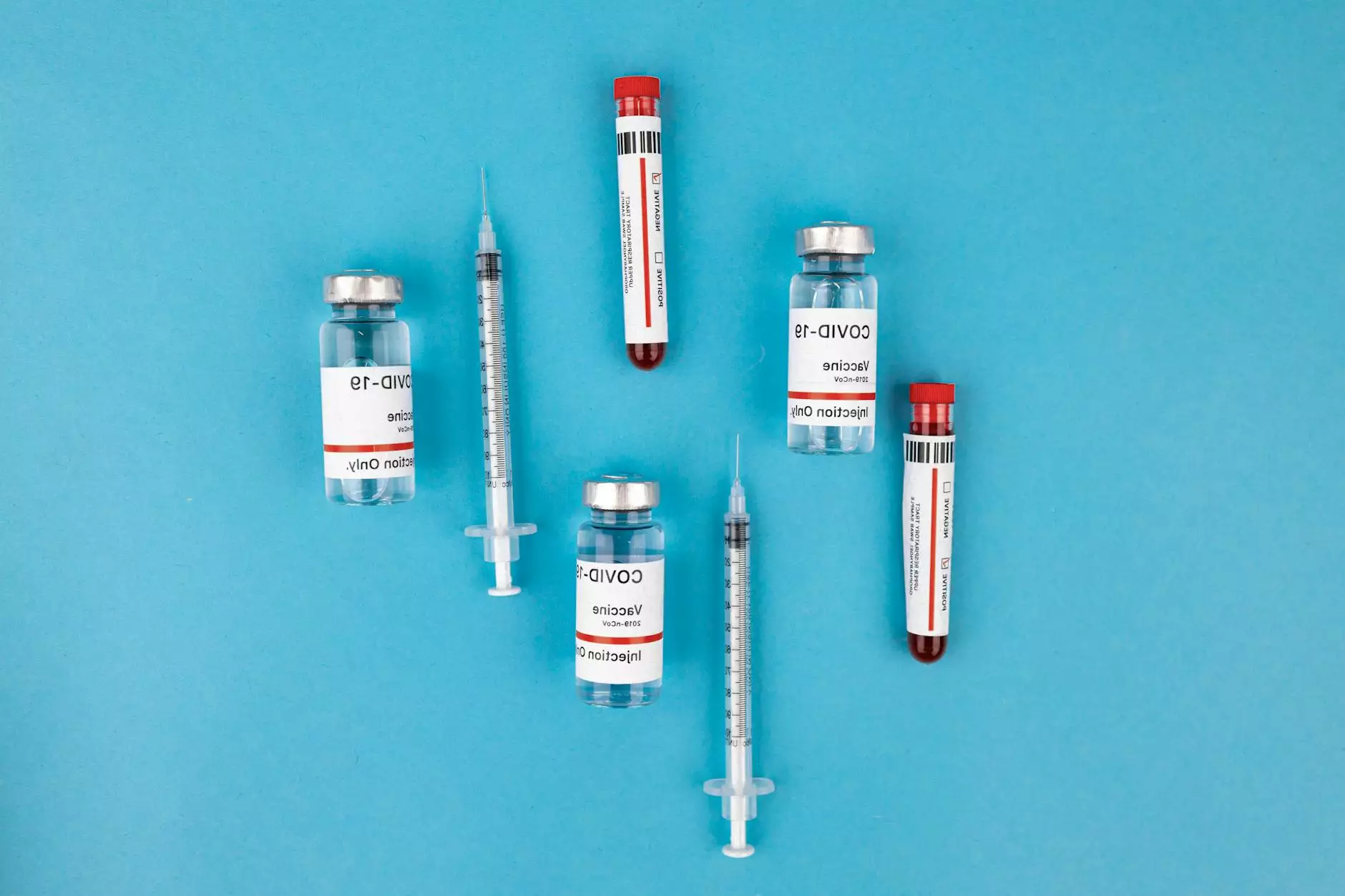
Health immunisation is one of the most effective public health measures that can significantly reduce the incidence of infectious diseases. In today’s rapidly changing environment, where new health threats continuously emerge, understanding the role of immunisation in health care becomes increasingly crucial. This article delves into the various aspects of health immunisation, emphasizing its benefits and the pivotal role it plays in protecting not only individuals but also entire communities.
What is Health Immunisation?
Health immunisation refers to the process of making individuals immune or resistant to infectious diseases, typically by administering vaccines. Vaccination works by introducing an inactivated or weakened form of a pathogen, or a piece of it, into the body. This stimulates the immune system to recognize the pathogen, build a defense, and establish a memory against future infections.
The Role of Vaccines in Disease Prevention
Vaccines have been instrumental in the fight against numerous infectious diseases. Through widespread health immunisation, we have witnessed:
- Reduction in Disease Rates: Vaccines have led to drastic declines in diseases such as measles, mumps, and polio.
- Herd Immunity: When a significant portion of the population is immunised, it creates a protective barrier that helps shield vulnerable individuals who cannot be vaccinated, such as infants and those with certain medical conditions.
- Economic Savings: Immunisation programs reduce healthcare costs by preventing disease outbreaks, which in turn lowers the burden on medical facilities.
Types of Vaccines and Their Benefits
There are several types of vaccines, each designed to combat different pathogens. Here is a breakdown of the main categories:
- Live Attenuated Vaccines: These contain weakened forms of the pathogen, which stimulate a strong immune response. Examples include measles, mumps, and rubella (MMR) vaccines.
- Inactivated Vaccines: Composed of killed pathogens, these vaccines require multiple doses to achieve desired immunity. The polio vaccine is a common example.
- Subunit Vaccines: These contain only parts of the virus or bacteria, leading to fewer side effects. The HPV vaccine is a notable example.
- Messenger RNA (mRNA) Vaccines: A new technology exemplified by the COVID-19 vaccines, mRNA vaccines instruct cells to produce a harmless piece of the virus, prompting an immune response.
Why Immunisation is Vital for Public Health
The benefits of health immunisation extend beyond individual protection. Here’s why it is essential for public health:
- Prevention of Outbreaks: High immunisation rates help prevent outbreaks of vaccine-preventable diseases, ensuring community safety.
- Global Health Equity: Vaccination programs contribute to global health equity by reducing disease burdens in low-income regions.
- Eradication of Diseases: Successful vaccination campaigns have led to the complete eradication of diseases, such as smallpox, showcasing the potential of immunisation.
Challenges in Health Immunisation
Despite the clear benefits, health immunisation programs face various challenges, including:
- Vaccine Hesitancy: Misinformation and fear about vaccines can deter individuals from getting immunised.
- Access to Vaccines: Geographic and economic barriers can limit access to vaccinations for some populations.
- Emerging Diseases: New infectious diseases, like COVID-19, necessitate rapid adaptations in vaccination strategies.
Starmedical: Leading the Charge in Health Immunisation
Starmedical Australia plays a pivotal role in the health and medical sector, particularly in the realm of immunisation. With a commitment to improving community health, Starmedical provides:
- Comprehensive Vaccination Programs: Tailored vaccination services that cater to all ages.
- Education and Awareness: Resources and counseling for patients to understand the importance of health immunisation.
- Accessibility: Initiatives aimed at making vaccinations accessible to everyone, especially vulnerable populations.
The Future of Health Immunisation
The future of health immunisation looks promising, with advancements in vaccine technologies and a greater understanding of immunology. Continuous research is paving the way for improved vaccines against existing diseases and new threats. Moreover, collaboration among governments, health organizations, and communities is crucial to overcoming challenges and achieving high immunisation rates.
Conclusion: Protecting Our Health Through Immunisation
In conclusion, health immunisation is a cornerstone of public health that protects individuals and communities from infectious diseases. As we move forward, it is imperative to prioritize vaccination efforts and address the challenges that hinder their success. By understanding the importance of health immunisation and supporting initiatives like those provided by Starmedical Australia, we contribute to a healthier future for everyone.
Call to Action
We encourage everyone to stay informed about vaccination schedules and consult healthcare professionals regarding health immunisation options. Together, let’s build a resilient community against infectious diseases!