Creative Concepts / Journal
Understanding the Importance of a Personal Tax Attorney
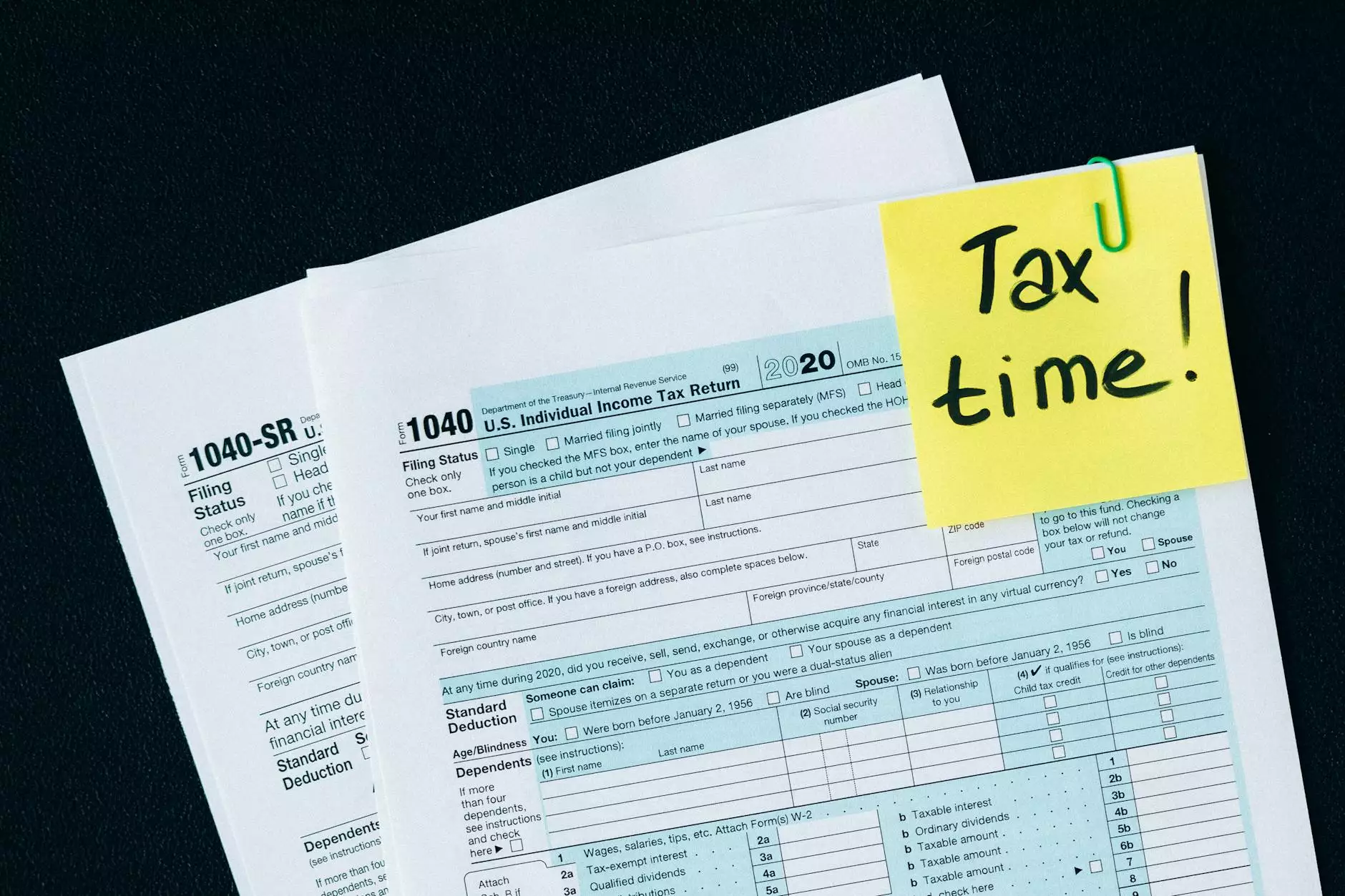
In the realm of finance and law, personal tax attorneys play a crucial role for individuals and businesses alike. They serve as invaluable resources, guiding clients through the intricate landscape of tax regulations, ensuring compliance, and offering expertise in dispute resolution. This article delves deeply into the various aspects of hiring a personal tax attorney, highlighting their significance and how to choose the right one for your needs.
What is a Personal Tax Attorney?
A personal tax attorney is a legal professional who specializes in tax law. They provide advice on tax-related issues, represent clients in disputes with tax authorities, and help navigate the complexities of tax regulations. Their expertise ranges from individual tax issues to corporate tax compliance and litigation.
Key Responsibilities of a Personal Tax Attorney
- Tax Planning: Developing tax strategies to minimize liabilities.
- Compliance Assistance: Ensuring that clients meet all federal and state tax obligations.
- Dispute Resolution: Representing clients in audits, appeals, and litigation involving tax disputes.
- Estate Planning: Advising on how to manage taxes on estates and inheritances.
- Tax Fraud Defense: Providing legal defense in cases of tax fraud accusations.
Why You Need a Personal Tax Attorney
Many individuals and small business owners underestimate the complexity of tax laws, which can lead to costly mistakes. Here are several compelling reasons to consider hiring a personal tax attorney:
1. Expertise in Tax Law
Tax laws are constantly evolving. A personal tax attorney stays updated with the latest changes, ensuring that you are compliant and knowledgeable about current regulations. Their in-depth understanding can save you money and prevent penalties.
2. Personalized Service
Unlike generic tax preparers, a personal tax attorney offers tailored advice. They understand your unique financial situation and can recommend strategies that fit your specific needs. This personalized approach can lead to more effective tax management.
3. Representation During Audits
Facing an audit can be daunting. A personal tax attorney will represent you, handle communications with the IRS or state tax authorities, and help you prepare the necessary documentation, thereby reducing stress and improving your chances of a favorable outcome.
4. Resolution of Tax Disputes
If you're currently embroiled in a tax dispute, a personal tax attorney is essential. They can negotiate settlements, file appeals, and take cases to court if necessary. Their expertise is crucial in protecting your rights and achieving desired outcomes.
Choosing the Right Personal Tax Attorney
With so many tax attorneys available, selecting the right one can feel overwhelming. Here are some key factors to consider when searching for a personal tax attorney:
1. Credentials and Experience
Look for an attorney with a strong educational background in tax law and relevant certifications. Experience is equally important—choose someone who has successfully handled cases similar to yours.
2. Reputation
Research online reviews, testimonials, and any disciplinary actions. A positive reputation among clients and peers indicates reliability and proficiency.
3. Specialization
Some attorneys focus on specific areas of tax law, such as corporate taxation, estate planning, or tax fraud. Depending on your needs, ensure that your attorney specializes in the relevant area of tax law.
4. Communication Skills
Your attorney should communicate clearly and promptly. You want someone who explains complex tax concepts in understandable terms and keeps you informed throughout the process.
5. Fees and Billing Structure
Understand how your attorney charges for services—whether it's hourly, flat fees, or contingent fees—and ensure there are no hidden costs. Clear and transparent billing is essential in maintaining a good working relationship.
The Financial Impact of Hiring a Personal Tax Attorney
While there is a cost associated with hiring a personal tax attorney, it's crucial to weigh that expense against potential financial benefits. Here’s how they can ultimately save you money:
1. Avoiding Costly Mistakes
Tax errors can lead to penalties and interest that compound over time. A personal tax attorney helps identify and rectify issues before they escalate, ultimately saving you money.
2. Strategic Tax Planning
A qualified attorney can devise effective strategies that legally minimize tax liability, which could lead to significant savings over time.
3. Representation That Saves Time and Stress
Having a personal tax attorney handle your tax affairs allows you to focus on your life and business. This not only reduces stress but also allows you to engage in other income-generating activities, further benefiting your financial situation.
Common Situations Requiring a Personal Tax Attorney
There are several scenarios where enlisting the help of a personal tax attorney is not just beneficial but essential:
- Receiving a notice of audit from the IRS.
- Facing tax liens or levies on wages or assets.
- Need assistance with estate inheritance taxes.
- Understanding foreign income tax obligations.
- Dealing with business tax issues, including payroll taxes.
Conclusion
In conclusion, the role of a personal tax attorney is multifaceted and vital to both individuals and businesses. Their expertise not only helps in navigating the convoluted tax landscape but also serves as a safeguard against potential disputes and costly errors. By investing in a personal tax attorney, you are not merely seeking legal assistance; you are making a proactive decision to secure your financial future and ensure compliance with tax laws.
If you find yourself facing tax challenges or if you're simply looking to optimize your tax strategy, do not hesitate to consult a qualified personal tax attorney. Their knowledge and experience can be your best ally in achieving peace of mind regarding your tax affairs.